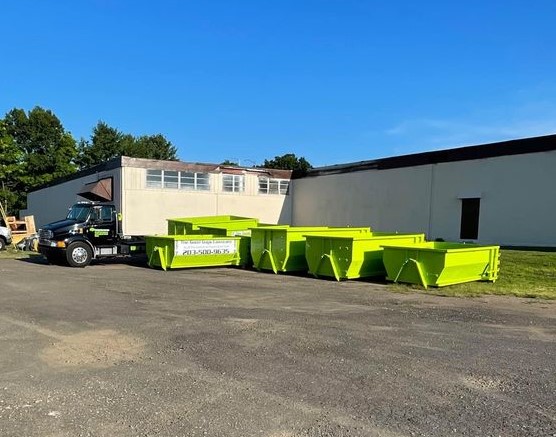
Managing a significant home improvement, renovation, or cleanup project can be both rewarding and demanding. One of the most important aspects of managing your project effectively is ensuring that waste disposal is handled efficiently. Without a proper plan for managing debris, your worksite can quickly become cluttered, slowing down progress and creating potential hazards. Knowing how to calculate the appropriate dumpster size helps maintain order, reduce stress, and keep your project moving smoothly.
At The Good Guys Dumpster Rental LLC, we focus on helping clients make informed decisions about waste management. We help determine how much waste will be produced and the type of materials to ensure the right dumpster is chosen. From residential cleanouts to kitchen remodels or larger construction work, we provide expert advice for a seamless rental experience. We are committed to making waste disposal simple, safe, and effective for every client.
Evaluating the Scope of Your Project
Start by examining all aspects of your project to determine dumpster requirements. Take into account all spaces generating waste, including rooms and work areas. Will your project involve taking out furniture, cabinets, or flooring? Or does your project include demolition work? Knowing the size and type of work helps determine the needed dumpster size and avoids unexpected issues.
Breaking your project into smaller, manageable tasks can help clarify the overall volume of waste. For example, if you are renovating multiple rooms, estimate the debris from each area individually. Breaking it down prevents underestimating debris and avoids renting additional dumpsters. Careful evaluation keeps the worksite organized, safe, and free from debris-related hazards.
Identifying Material Types
Knowing the types of materials your project will generate is crucial for selecting the right dumpster. Household cleanouts often involve furniture, appliances, and miscellaneous items, while renovation projects might include drywall, wood, or tiles. Projects involving construction often generate heavy debris such as concrete, roofing, and metal, needing stronger containers.
Recognizing material types also allows for safer and more organized disposal. Hazardous items and electronics require careful handling and are not suitable for standard dumpsters. Planning for these requirements helps prevent overfilling and ensures compliance with disposal regulations. By understanding what materials you are dealing with, you can maximize the use of space and reduce potential hazards during your project.
Determining How Much Space You Need
After identifying the materials, estimating the volume of waste is the next critical step. Evaluate how much waste each task produces and whether it can be compacted to save space. For example, dismantling furniture or breaking down large boards can create more space and reduce the overall volume. Estimating space correctly helps the dumpster accommodate all debris efficiently.
It’s helpful to list all items and approximate the space each will take up. Consider how items will be stacked to maximize space. Pre-planning loading strategies helps avoid exceeding capacity. Estimating correctly protects your team and site from hazards while saving time.
Evaluating Your Project Timeline
How long your project lasts affects the container you choose. Some projects create debris steadily over time, whereas others generate large amounts quickly. Understanding your timeline allows you to choose a container that will accommodate your debris throughout the duration mini dumpster rental North Branford CT of the project. Planning ahead helps prevent interruptions and keeps the workspace organized.
Coordinating dumpster delivery and pickup with your project schedule is essential. By scheduling the container to arrive before work begins and arranging timely pickup, you avoid clutter and maintain efficiency. Planning the rental period to match your project pace helps reduce downtime and keeps your team focused on completing tasks rather than managing waste. Proper timing keeps the project workflow steady and organized.
Unique Factors for Different Project Types
Some projects have unique needs when it comes to container selection. Roofing and demolition work can produce bulky or heavy materials requiring reinforced dumpsters. Gardening and landscaping projects may produce sizable amounts of organic debris needing extra space. Understanding these unique demands ensures that you select a dumpster that can handle the materials safely and efficiently.
Proper planning for special project requirements helps maintain a safe and efficient worksite. Accounting for debris size, weight, and placement improves safety and efficiency. Our team provides advice and guidance to make sure that each dumpster meets the specific demands of your project. This tailored approach makes waste management easier and keeps your work area organized throughout every phase of the project.
How to Use Your Dumpster Effectively
Maximizing the efficiency of your dumpster rental can greatly improve your project’s workflow. Large items should be broken down and stacked to optimize space. Place dense materials on the bottom and lighter items on top for balance. Avoid placing prohibited or hazardous items in the container to ensure compliance and safety.
We share tips to help you use your dumpster to its full potential. Proper placement, stacking techniques, and organized loading help you get the most out of your rental. Following these tips reduces the need for multiple containers and ensures a smoother disposal process. Smart dumpster management keeps the site organized and allows the team to work efficiently.
Planning for Multiple Projects
Coordinating multiple projects demands careful planning to manage debris effectively. You may need individual dumpsters for different types of materials to avoid cross-contamination and maintain compliance. Careful preparation ensures the right dumpster is in place for every task and site.
We provide support for managing several dumpsters across different projects. By mapping out which container goes where, you can avoid confusion and ensure each area remains clear of debris. Proper planning across multiple projects reduces clutter and creates a safer environment for workers and residents. Strategic organization contributes to a more efficient and manageable workflow.
Steps for Effective Dumpster Planning
Determining the proper container size is essential for a smooth and efficient project. Take into account the project size, material types, debris volume, and timeline. Incorporate careful planning and loading methods to make the most of your rental. Partnering with The Good Guys Dumpster Rental LLC while following these guidelines ensures efficient and organized waste handling throughout your project.